.png)

As we settle into February, the tradition of Groundhog Day feels particularly appropriate. On Monday, Punxsutawney Phil saw his shadow, predicting six more weeks of winter—a sentiment many investors share as we face a chilly start to the month.
January was a strong month for the market, however, that momentum stalled this week. A tech-led selloff followed disappointing earnings from some AI leaders and other key companies. Part of the current volatility could also stem from a long-awaited "great rotation", as investors take profits from overextended tech giants to capitalize on broadening market returns in previously underperforming sectors like small-cap value and domestic industrials.
Adding to the uncertainty is the official nomination of Kevin Warsh to succeed Jerome Powell as Fed Chair when Powell’s term ends in May. While Warsh brings deep experience, his reputation as an inflation hawk has sparked fresh volatility in bond markets as investors rethink the path for interest rates this year.
Despite the groundhog’s frosty forecast and the recent market dip, these periods of recalibration are a natural part of the cycle. We remain focused on the long term as we continue to monitor these short term fluctuations.
As always, if there is anything you would like to discuss, please reach out. We would love to hear from you!

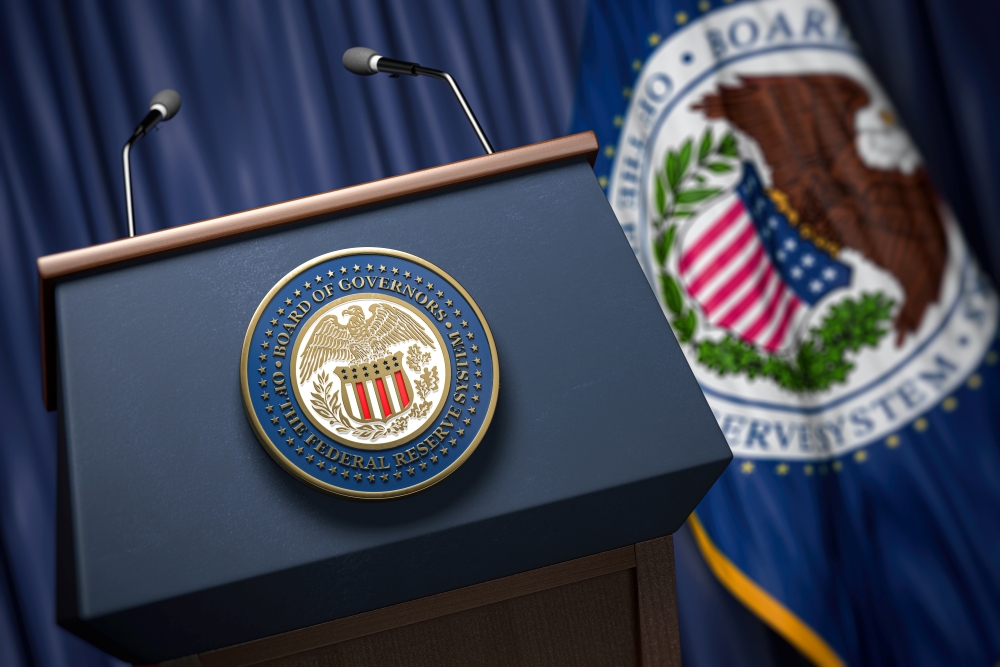
"After much speculation - and in a somewhat hawkish surprise - President Donald Trump has nominated Kevin Warsh to serve as the next chair of the Federal Reserve (Fed). Pending Senate confirmation, Warsh will succeed Jerome Powell once Powell's term as chair ends in May 2026."

"In recent decades, abundant capital, low interest rates, and a stable global order reduced the need for diversification. In contrast, today's environment is defined by dispersion, two-way risk, and economies across regions moving at different speeds. This creates a wide range of opportunities across global rates, EM, high quality credit, and securitized markets, reinforcing the value of an active approach."

"We believe fading tariff headwinds and rising real incomes should contribute to global growth in 2026. GS Research expects the US, Euro area, and China to grow 2.7%, 1.3%, and 4.8%, respectively. In the US, we see acceleration in 1H from supportive financial conditions and fiscal stimulus."

For more information and resources, reach out to our Cybersecurity Team!